THCa Flower: An Educational Guide to What It Is, How It Differs From THC, and Why It Matters
Educational use only. This article is written to explain concepts, science, and legal context. It does not promote purchasing, using, or consuming any substance.
Introduction: Why People Talk About THCa Flower
Over the past few years, the term THCa flower has appeared more frequently in conversations about cannabis science and hemp regulation. For many readers, the phrase raises basic questions: What exactly is THCa? How is it different from THC? Why is it discussed separately at all?
This guide answers those questions in a clear, neutral, and educational way. Think of it as a primer—like a biology textbook chapter—focused on chemistry, plant biology, and policy context rather than use or promotion.
THCa stands for tetrahydrocannabinolic acid. It is a naturally occurring compound produced by the cannabis plant in its raw, unheated form. Importantly, THCa is not the same as THC, even though their names look similar.
From a chemistry standpoint:
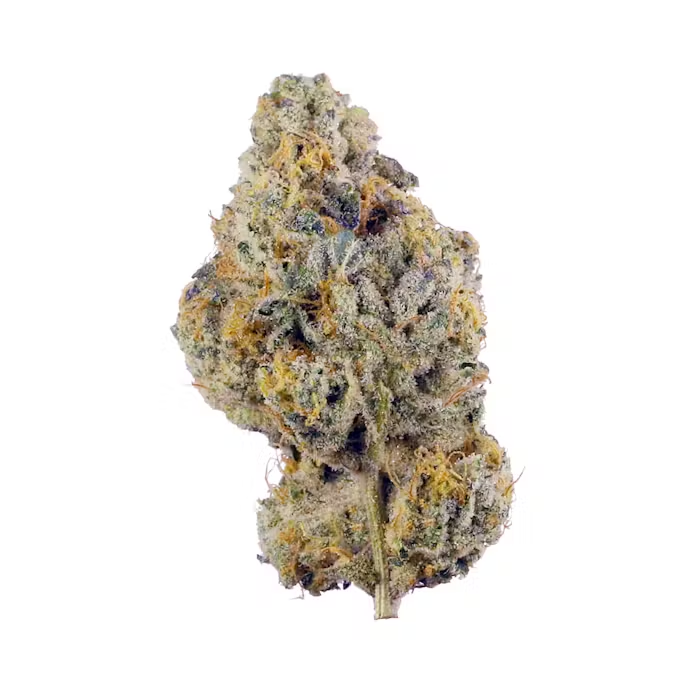
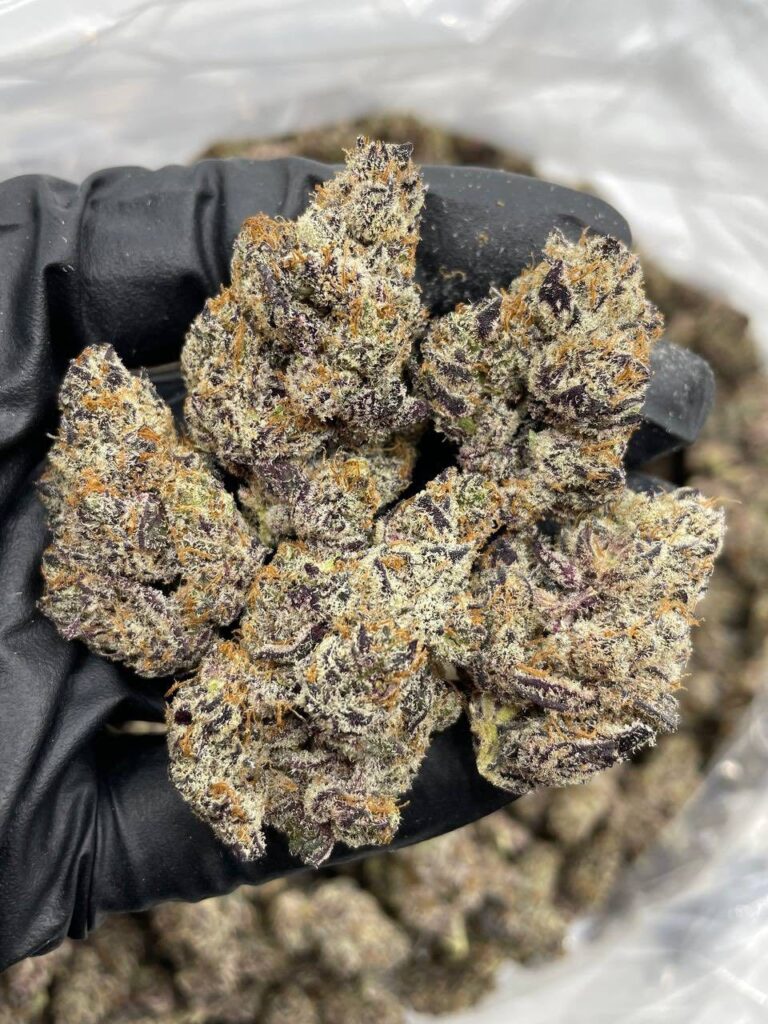
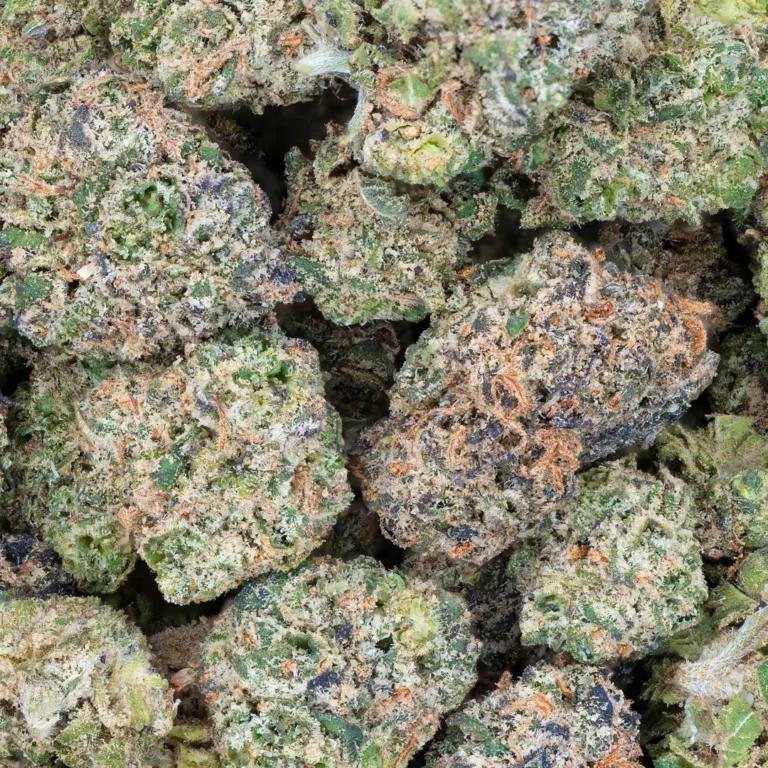
In living cannabis plants, THCa is produced inside microscopic structures called trichomes—the resin glands that look like tiny crystals on the flower’s surface.
THCa vs. THC: Understanding the Chemical Difference
The key difference between THCa and THC lies in a process called decarboxylation.
Decarboxylation Explained Simply
-
THCa contains an extra chemical group (a carboxyl group)
-
When exposed to heat or prolonged light, that group is removed
-
Once removed, THCa becomes THC
You can think of THCa as an unactivated form of THC. Without that chemical change, the two compounds behave very differently at a molecular level.
Why THCa Is Described as “Non-Intoxicating”
From a scientific perspective, THCa does not bind efficiently to the brain receptors associated with intoxication. Because of this, researchers classify it as non-intoxicating in its raw form.
That distinction is crucial in educational and legal discussions. Many misunderstandings arise when people assume that all cannabis-related compounds function the same way. In reality, the plant produces hundreds of unique cannabinoids, each with distinct properties.
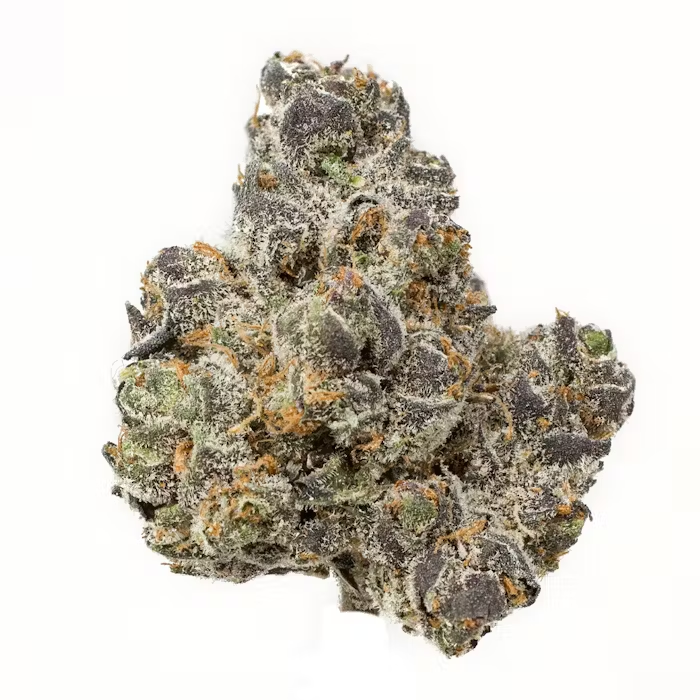
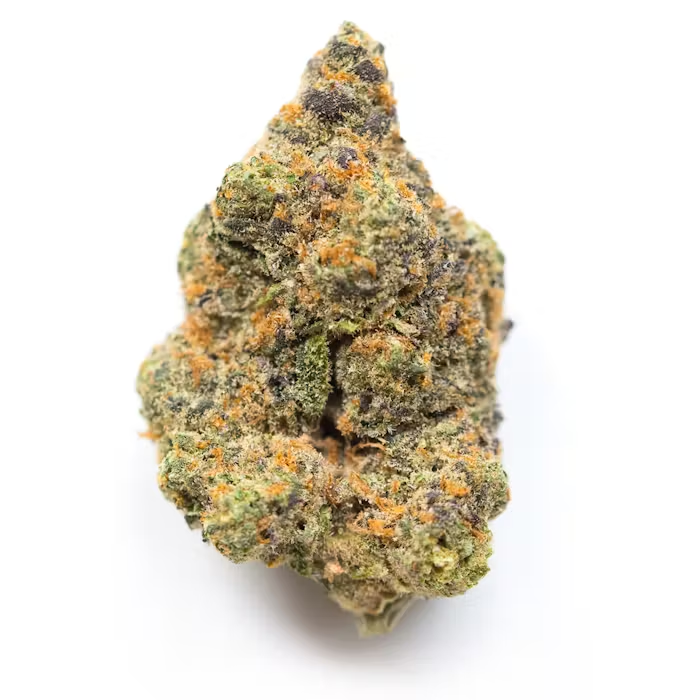
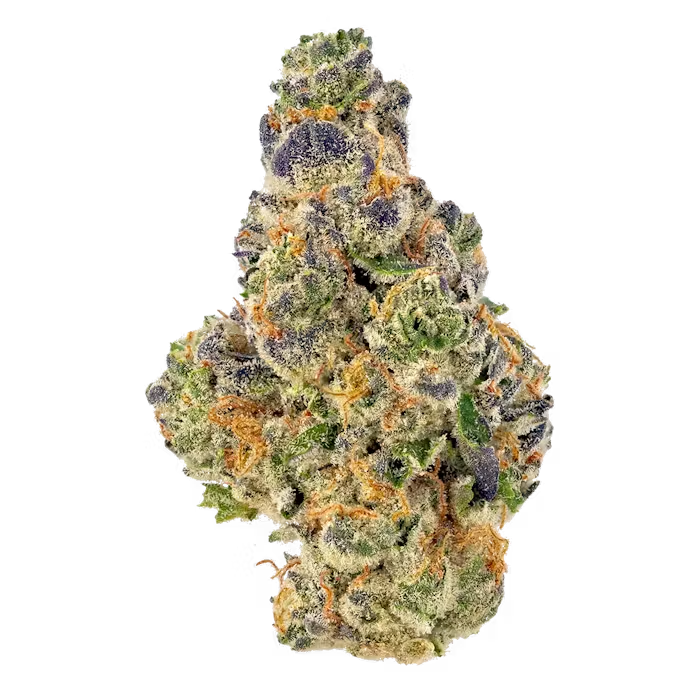
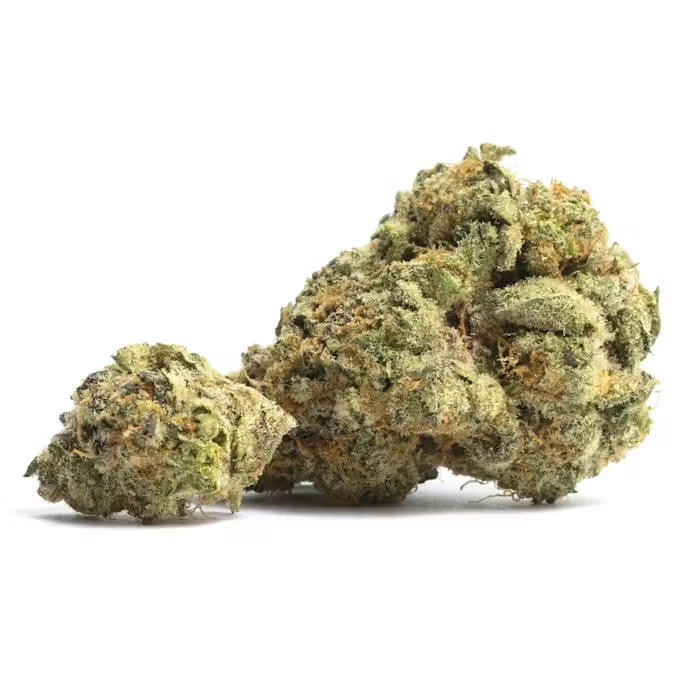
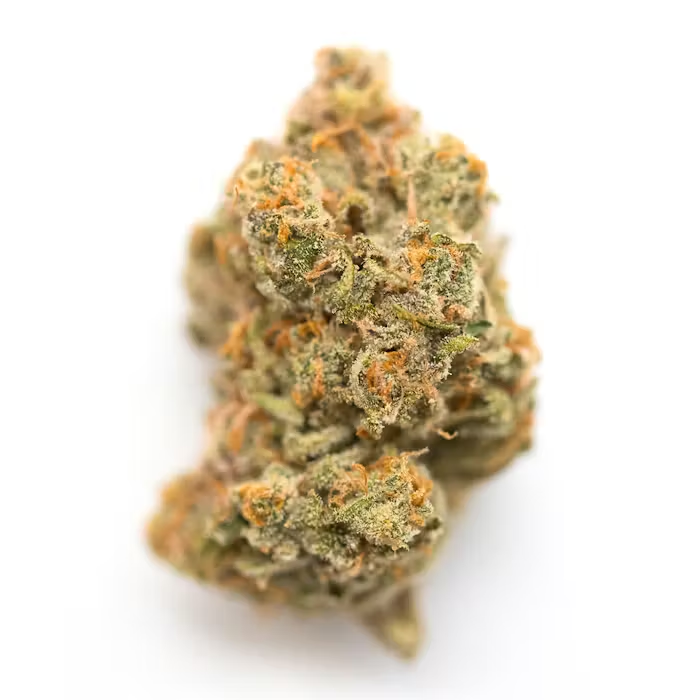
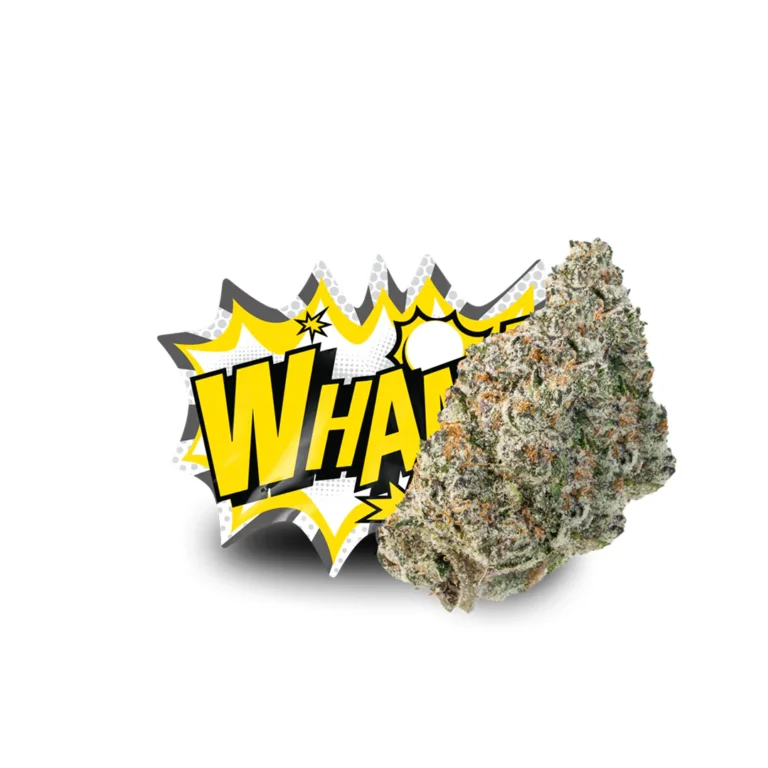
The phrase THCa flower typically refers to cannabis flower that contains a high percentage of THCa before any heating occurs. Botanically, it is still cannabis flower—what differs is how it is measured, labeled, or discussed.
From a plant biology standpoint:
This is why laboratory testing methods and terminology matter so much in scientific and regulatory conversations.
How Laboratory Testing Measures THCa
Cannabis laboratories do not rely on visual inspection. Instead, they use analytical chemistry tools such as:
These tools measure cannabinoids individually, separating THCa from THC. Results are reported as percentages by weight, allowing scientists and regulators to distinguish between raw acidic cannabinoids and their converted forms.
From an evolutionary standpoint, THCa is believed to play a role in:
-
Protecting the plant from UV radiation
-
Deterring pests and herbivores
-
Supporting resin development
THCa is part of the plant’s natural defense system, not something artificially added. Understanding this helps explain why it appears so consistently across different cannabis varieties.
Laws surrounding cannabis compounds vary widely by location and change frequently. In some regions, regulations focus on delta-9 THC levels, while others consider total potential THC after conversion.
Because THCa can convert into THC under certain conditions, policymakers often debate:
-
How it should be classified
-
How it should be measured
-
Which testing methods are appropriate
This article does not provide legal advice. Anyone researching this topic should consult local laws and official government guidance.
Common MisconceptiTHCa Flowerons About
Misconception 1: THCa and THC Are the Same
They are chemically distinct compounds with different properties.
Misconception 2: THCa Is Synthetic
THCa occurs naturally in the cannabis plant.
Misconception 3: Labels Tell the Whole Story
Scientific context, testing methodology, and chemistry all matter beyond marketing language.
Why THCa Matters in Scientific Research
Researchers study THCa to better understand:
This research contributes to broader knowledge in botany, pharmacology, and chemistry—regardless of policy or consumer trends.
Conclusion: A Compound Best Understood Through Science
THCa flower is best approached as a scientific and botanical concept, not a trend or shortcut. By understanding what THCa is, how it differs from THC, and why it exists in the plant, readers can engage with the topic thoughtfully and responsibly.
Education replaces confusion. Chemistry replaces assumption. And informed discussion always beats speculation.
FAQs
1. Is THCa naturally found in cannabis plants?
Yes. THCa is produced naturally by the plant in its raw, unheated form.
2. Does THCa automatically become THC?
No. Conversion requires specific conditions such as heat or prolonged exposure.
3. Why do labs measure THCa separately from THC?
Because they are chemically distinct compounds with different properties.
4. Is THCa unique to one type of cannabis plant?
No. Most cannabis plants produce THCa as part of normal growth.
5. Why is THCa discussed in legal and scientific debates?
Because its chemical behavior raises questions about measurement, classification, and regulation.